Old Sarum is one of The Tesfa Foundation’s pre-schools, and a very dear one to me. The students there have virtually nothing in material terms, and yet they have so much to share.
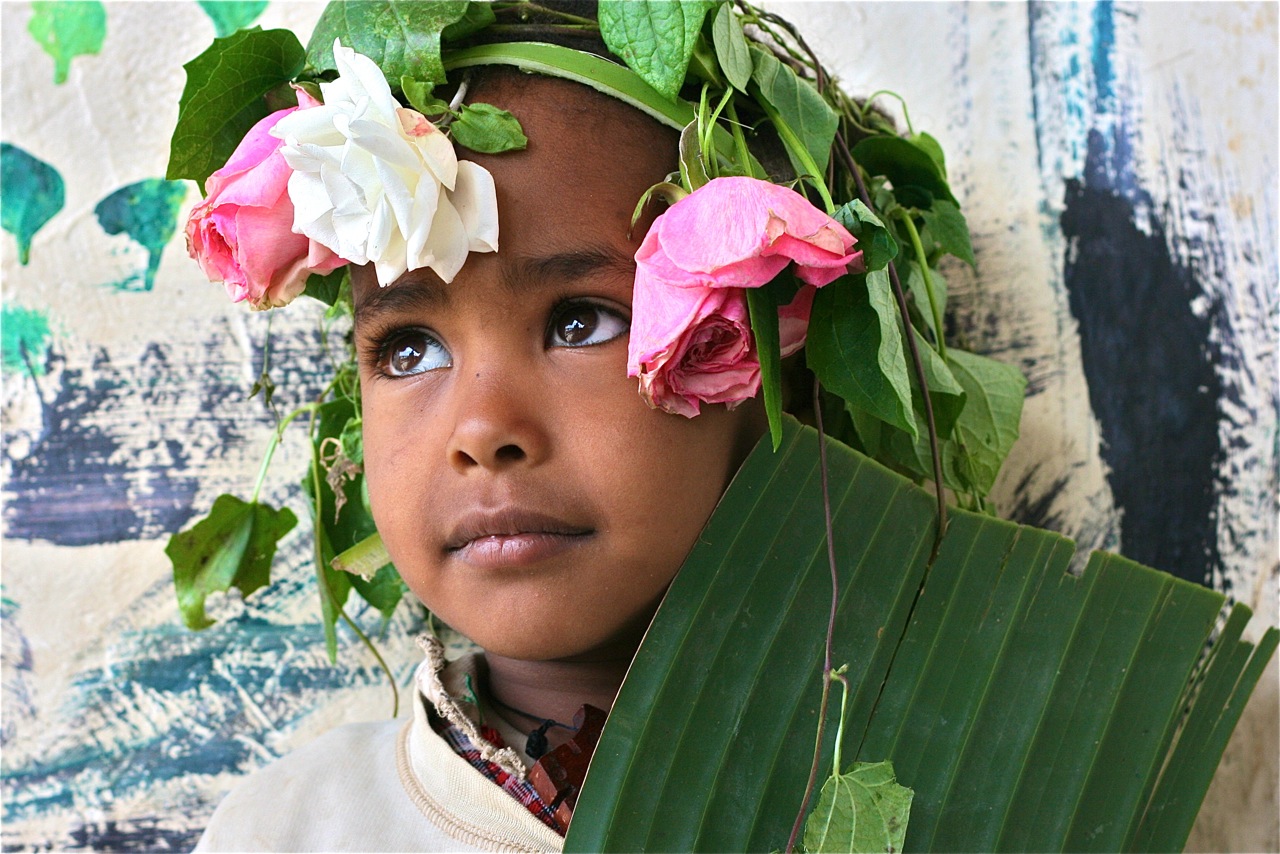 The school is located in the crowded, bustling, often rough streets of Merkato, in Ethiopia’s capital city. The Merkato district is basically a giant open-air market sprinkled with slums. It is the neediest part of the city that I’ve come across.
It’s impossible to grasp the extent of the poverty that exists there, without seeing it for yourself. I’ve brought several fellow westerners to the area, and I’ve watched the pain of others’ suffering wash over their unexpecting faces every time.
Merkato can be a difficult place to live and a dangerous place to raise a family. Despite parents’ best intentions, when faced with the choice between survival and sending their children to school, they choose survival. Instead of getting an education, many Merkato children end up getting sent to work, or out to beg on the streets just to help make ends meet at home.
I believe that by engaging these children early, when they’re 4-6 years old, we give them a huge head start in life. By providing them with the opportunity to attend school, we increase their chances of continuing their education and staying off the streets.
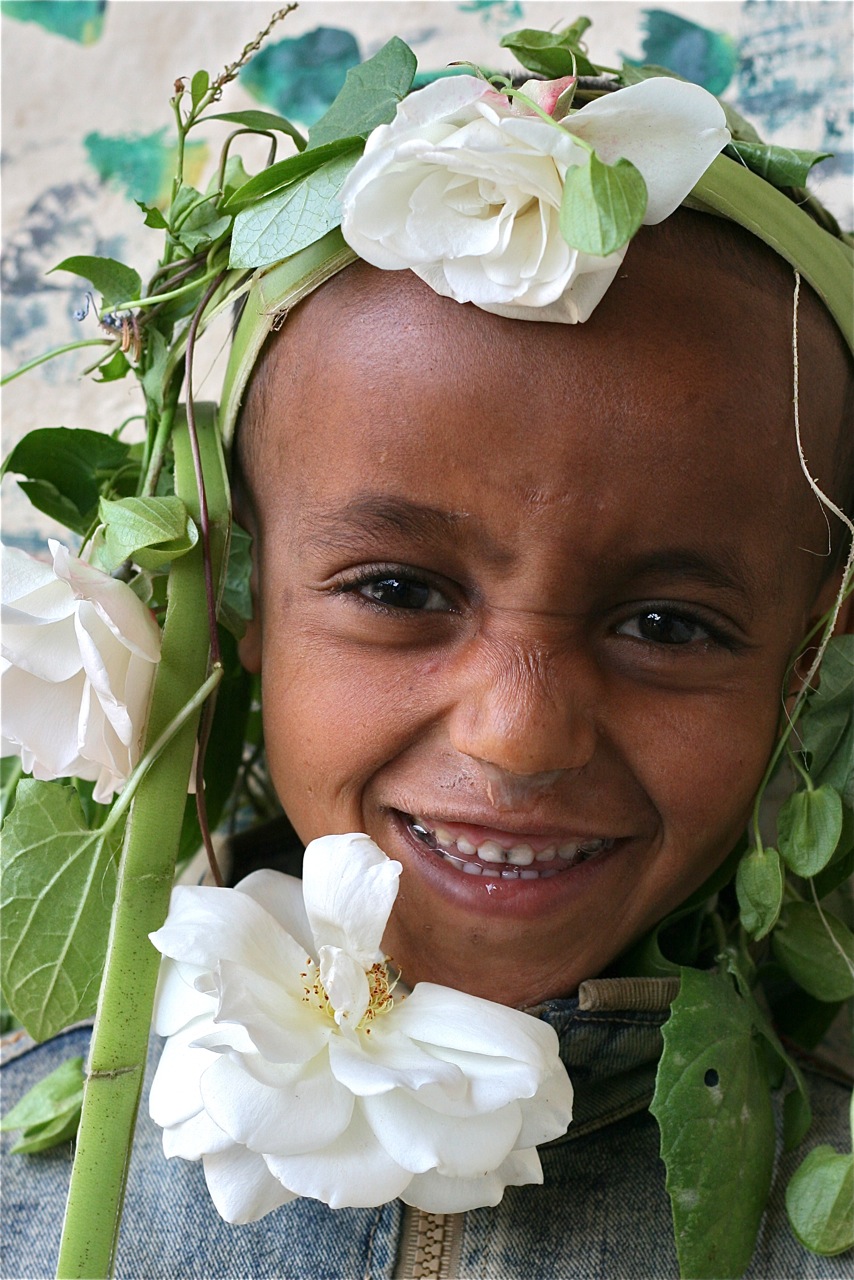 Formal education is not a given for many Ethiopians. Less than half of the country’s eligible children are currently enrolled in school. Putting a school in a place where there otherwise would be none empowers the entire community. These children wear the pride of their community when they come to school, well groomed, with their hair beautifully braided or otherwise meticulously combed. They may wear the same dress or suit every day, but they wear them with the dignity and pride of their family’s most prized possession. Parents will scrape and save for weeks, even months to provide such luxuries for their children.
I’ve had the opportunity to meet many of my students’ parents, and to visit their humble homes–tiny one-room mud huts topped with corrugated tin roofs, furnished with a single bed and very little else. I’ve heard rats run across the roofs, and I’ve been bitten by my share of fleas during these visits. But I don’t dare feel bad, despite the discomfort. How could I?
This is what my sweet students call home. This is life, as they know it. I’m thankful they aren’t familiar with the modern conveniences they’re lacking–like running water and indoor toilets.
These children have taught me many valuable lessons. Whenever I feel cold, hungry or otherwise uncomfortable–I think of my students and am reminded that I really have nothing to complain about, ever! They’ve shown me the meaning of true community. They literally depend each other for survival. I can’t even remember the last conversation I had with my neighbor.
The students have taught me the value of simply being. They’ve never been exposed to the constant electronic stimulation that pelts American children daily. There are no Game Boys, iPhones, or other electronics here to hold their attention. Their parents don’t play movies to pacify them during dinner or car rides. As a result, they’ve learned to sit still, entertain themselves and just be.
Last but not least, these kids have opened my eyes to fearlessness. They approach their art projects with complete abandon. They’ve not yet learned to fear negative criticism or rejection of their work, so they create for the sake of creation–for the sheer joy of discovering what their little hands can do.
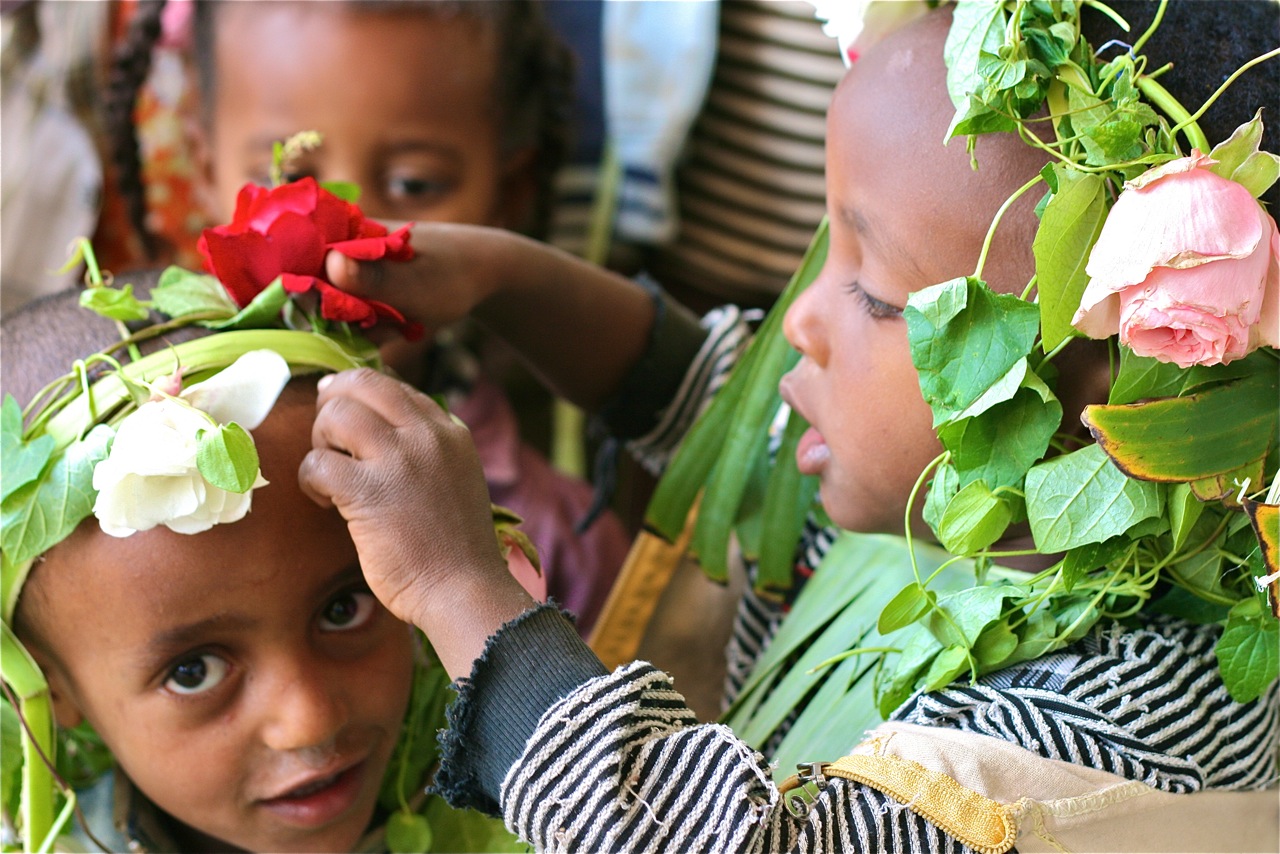 These are a few of the gifts these children have given me–which compels me to give back to them, in every way I can. They have little in regards to material possessions and, they’re happy. Their smiles are contagious. We’ve all heard the old adage, “money can’t buy happiness,” and my years of working in Ethiopia have confirmed this truth for me. These children also know how to love. Every time I walk in through the school doors, I’m blasted with the full force of their love. They fling their arms around my neck, kissing my hands and cheeks, flashing beautifully bright smiles as they reach their tiny little hands out to disappear into mine. After about five minutes of this, I’m levitating–questioning everything I ever believed about success, materialism, and that slippery word, “happiness.”
If you’ve not yet experienced life in Merkato, or Ethiopia, or any other third-world country, I invite you. Don’t take my word for it, come see it for yourself. Words and photos can help tell part of the story, but it’s never the whole story. There are just some things beyond imagining. We need to experience them personally in order to begin to understand. You may not find all of the answers you seek, but you can begin to live the questions, instead of merely asking them. Take a journey like this, and you’ll be forever changed. I can promise you this, and I know the sweet children will make sure of it too!
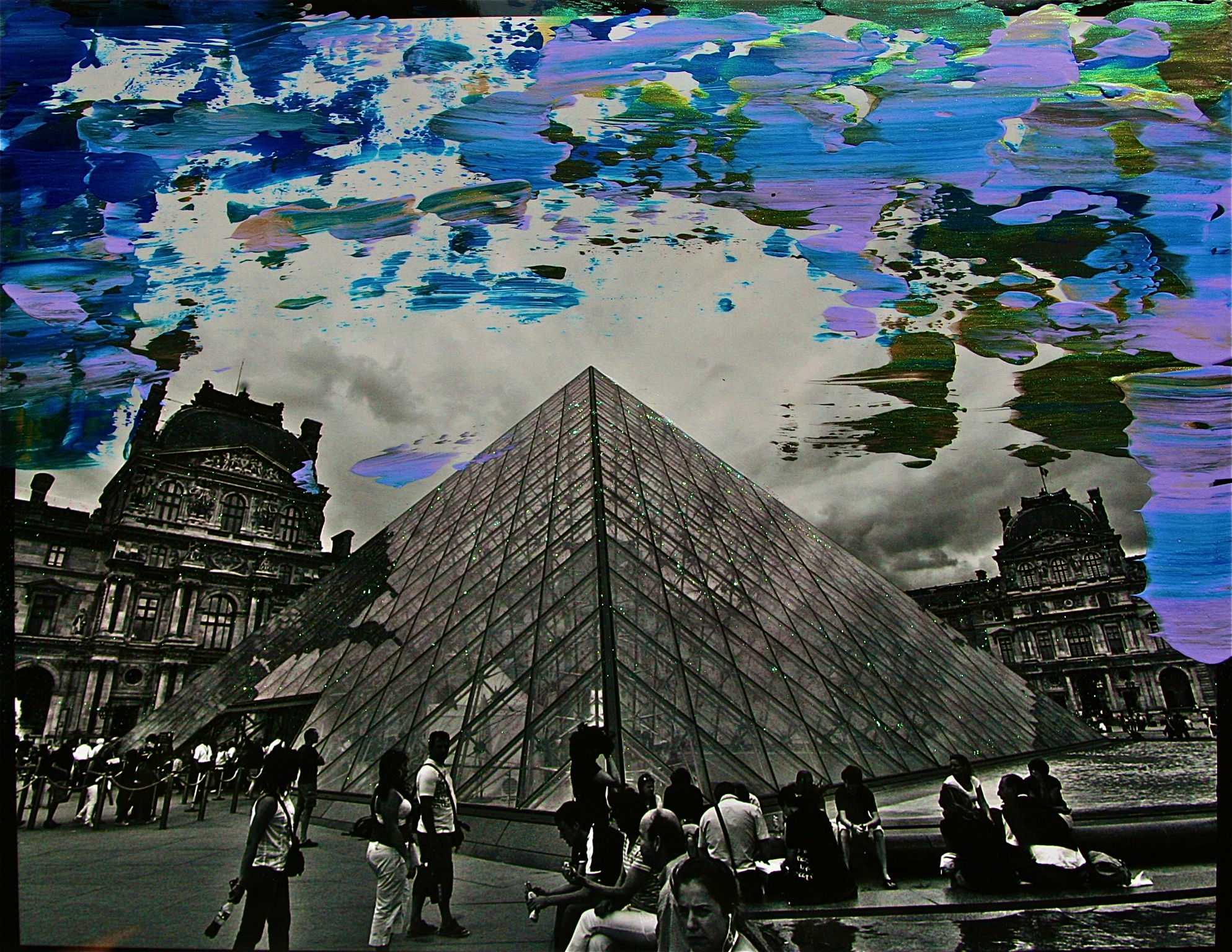
 Stephanie Schlatter Art